What an IPO Is — and Why Companies Go Public
An initial public offering is the first time a private company sells shares to the public. The reasons behind it reveal how companies raise money.

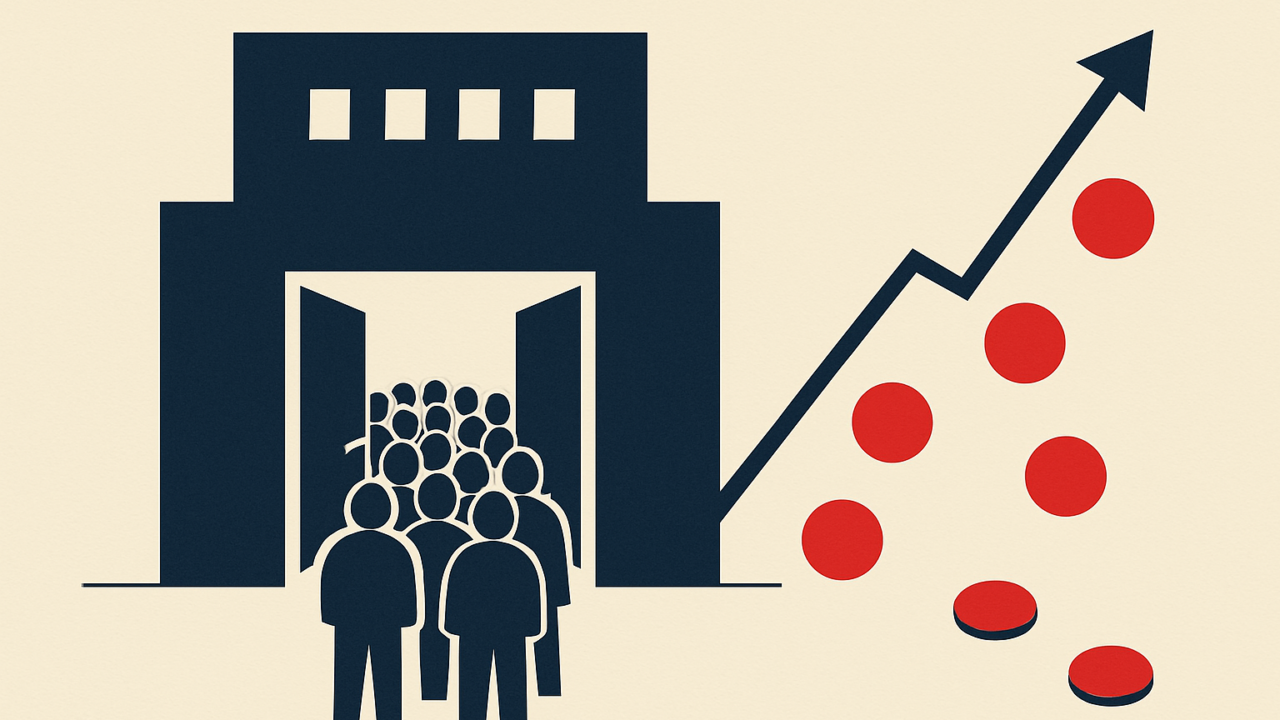
An initial public offering, or IPO, is the first time a privately owned company sells shares of itself to the general public. Before an IPO, a company’s owners are a closed group — founders, employees and private investors. After it, anyone with a brokerage account can, in principle, own a piece of the business.
The term gets attached to splashy market debuts, but the underlying event is simpler and older than the spectacle suggests: a company is raising money by selling ownership, and in doing so it changes what it is obliged to do and to whom.
From private to public
Companies generally begin life as private. Ownership is held by a limited number of people, shares do not trade on an open market, and the firm is not required to disclose its finances to the public. Growth is funded by profits, bank loans, or money from private investors who negotiate their stakes directly.
An IPO is the doorway out of that world. By offering shares to the public for the first time and listing them on a stock exchange, the company becomes publicly traded. Its shares can then be bought and sold by ordinary investors, and the company takes on a new set of legal and reporting duties that come with having public shareholders.
That transition is the substance of “going public.” The first sale of shares is the IPO; the lasting change is the company’s new status as a public company.
Why a company goes public
The headline reason is capital. An IPO can raise a large sum of money in one event by selling new shares, and that money can fund expansion, research, paying down debt, or other corporate goals. But raising cash is only part of the motivation.
- Access to capital. Selling shares to the public can bring in funding on a scale that may be harder to obtain privately, and it opens the door to raising more from public markets later.
- Liquidity for early backers. An IPO gives founders, employees and early investors a way to eventually sell shares they previously could not trade, turning paper ownership into something that can be converted to cash on a market.
- Profile and credibility. Being listed and publicly traded can raise a company’s visibility and standing with customers, partners and potential employees.
These motives often overlap. A company may go public both to fund its next stage of growth and to let its earliest supporters realise the value of what they helped build.
How an offering comes together
Taking a company public is a structured process, not a single announcement. A company typically works with investment banks, which act as underwriters — they help prepare the offering, assess demand and bring the shares to market.
A central step is disclosure. To sell shares to the public, a company must register the offering with the relevant securities regulator and publish detailed information about its business, finances and risks in a formal document. In the United States this registration and disclosure regime is overseen by the Securities and Exchange Commission, and the prospectus is the document prospective investors are meant to read before deciding.
An IPO is not just a sale of shares. It is the moment a company opens its books to the public and accepts the obligation to keep them open.
The underwriters and the company also arrive at an offering price for the shares. Once trading begins, that price is no longer in the company’s hands — supply and demand on the open market take over, and the shares can rise or fall.
What changes after the bell
The transformation an IPO brings is permanent and goes well beyond the day of the listing.
A public company must report regularly and publicly on its finances, following rules designed to keep investors informed. It answers to outside shareholders, who now have a stake in how it is run. Its performance is visible and scrutinised in a way a private company’s is not, and its share price becomes a constant, public verdict on the business.
Those obligations are the price of admission. In exchange for access to public capital and a market for its shares, a company accepts transparency, oversight and accountability to a far wider group of owners than it had before.
For the investing public, the same change is what makes ownership possible at all. An IPO is the mechanism by which a company that was once closed becomes one that anyone can own a share of — and the disclosure that comes with it is meant to ensure that buyers can see what they are buying.

Daniel Hart
Daniel Hart writes about business and the economy for Tilias News — markets, companies, trade and the policy decisions behind them. He aims to explain why the numbers matter, not just what they are.


