Business
What Is a Credit Score?
A credit score is a number that summarises how likely you are to repay borrowed money. Here is how credit scores are calculated and why they matter.

Daniel Hart writes about business and the economy for Tilias News — markets, companies, trade and the policy decisions behind them. He aims to explain why the numbers matter, not just what they are.
A credit score is a number that summarises how likely you are to repay borrowed money. Here is how credit scores are calculated and why they matter.
An S corporation is a US tax election that lets a company pass income through to its owners. Here is how S-corp status works, its rules and its limits.

An LLC is a US business structure that combines limited liability with flexible taxation. Here is how a limited liability company works and who it suits.

A hedge fund is a pooled investment fund for professional investors that uses a wide range of strategies. Here is how hedge funds work and how they differ.

A mutual fund pools money from many investors to buy a diversified portfolio of assets. Here is how mutual funds work, their types, costs and trade-offs.

A recession is a significant, broad decline in economic activity lasting more than a few months. Here is how it is defined, measured and what causes one.

A subsidy is government support that lowers a price or props up an income. The economics are contested; the politics of withdrawing one are consistently brutal.

Nominal GDP measures output at today's prices. Real GDP strips inflation out. Confusing the two makes an economy look like it is growing when it may not be.

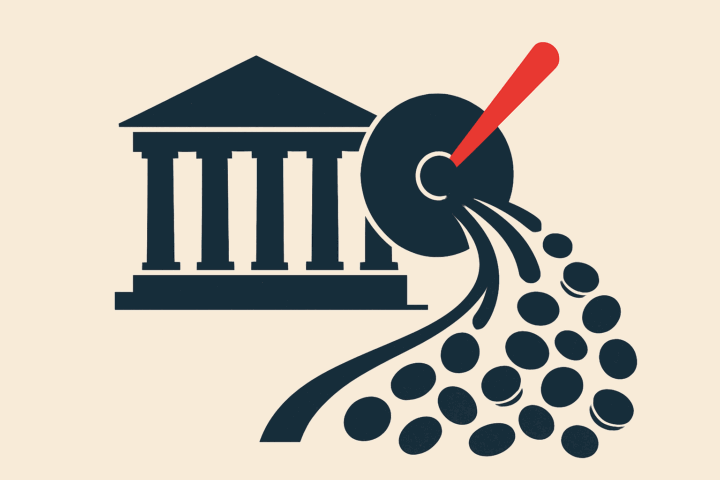
A central bank sets one short-term rate. From there, the cost of money ripples through loans, savings and the wider economy.
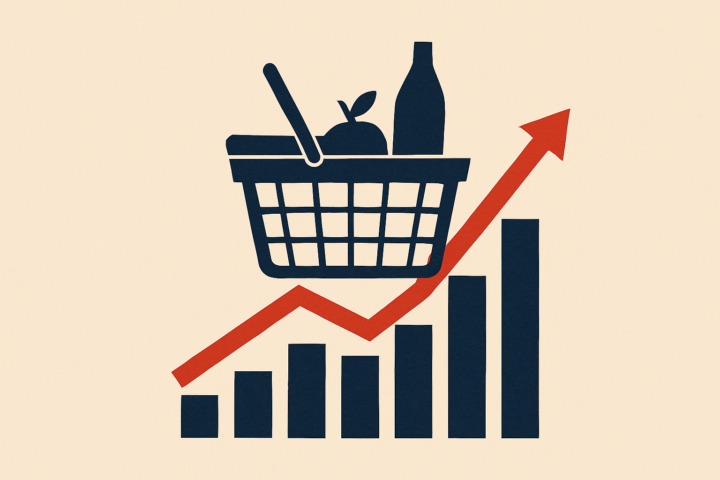
Inflation is not guessed. It is measured by pricing a fixed basket of goods and services and tracking how its cost changes over time.
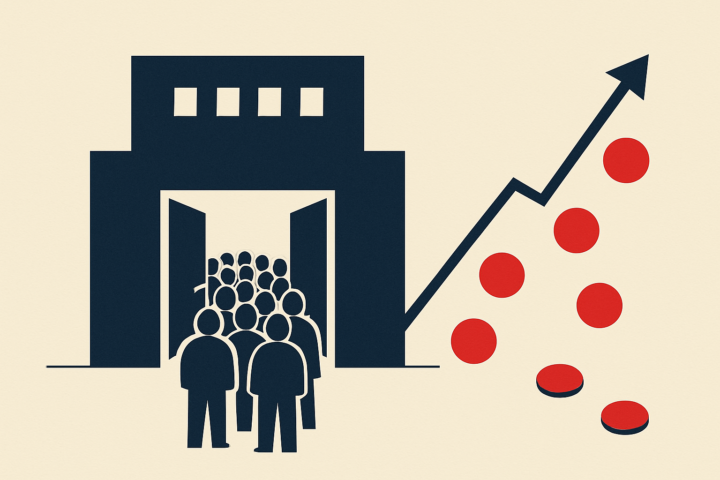
An initial public offering is the first time a private company sells shares to the public. The reasons behind it reveal how companies raise money.