Technology
What Is Secure Boot?
Secure Boot is a UEFI feature that checks digital signatures of software loaded at start-up, blocking untrusted code. How it works and what it protects.

Marcus Reed reports on technology for Tilias News — artificial intelligence, consumer products, platforms and the rules that govern them. He focuses on what new tools actually change for ordinary people.
Secure Boot is a UEFI feature that checks digital signatures of software loaded at start-up, blocking untrusted code. How it works and what it protects.
JPG uses lossy compression and suits photographs; PNG is lossless and supports transparency. Here is how the two image formats differ and when to use each.

A kernel is the core of an operating system: it manages the hardware and lets software use it safely. Here is what a kernel does and why it is central.

A hyperlink is a clickable reference that takes you from one place to another on the web. Here is how links work, how they are written, and why they matter.

A web browser is the software that fetches web pages and displays them on your screen. Here is how it requests, interprets and renders the pages you visit.

An algorithm is a finite, ordered set of well-defined steps for solving a problem or completing a task. Here is what that means and how algorithms are used.

CSS is the language that styles web pages, controlling colour, layout and typography separately from the HTML content. Here is how it works and why it matters.

Phishing is fraud that works on people rather than software. The variants differ mainly in how well the attacker has researched you before making contact.

Two-factor authentication asks for a second proof of identity beyond your password. The three common types are not equally secure, and the gap matters.

The chatbots answering your questions are prediction engines trained on text. Here is what they actually do, and where they fall short.
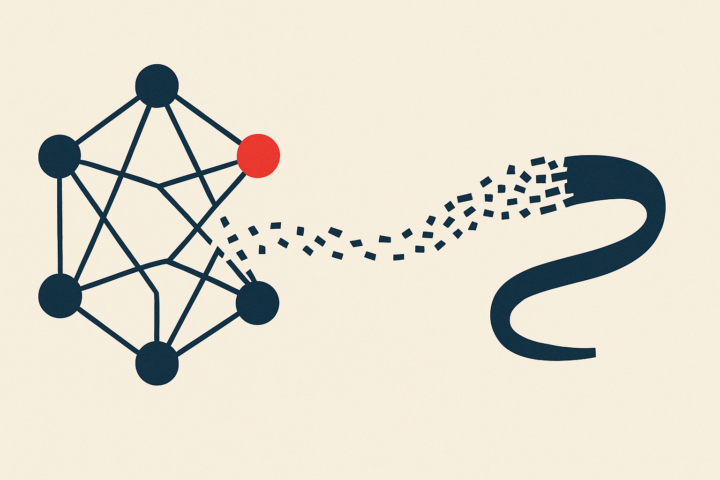
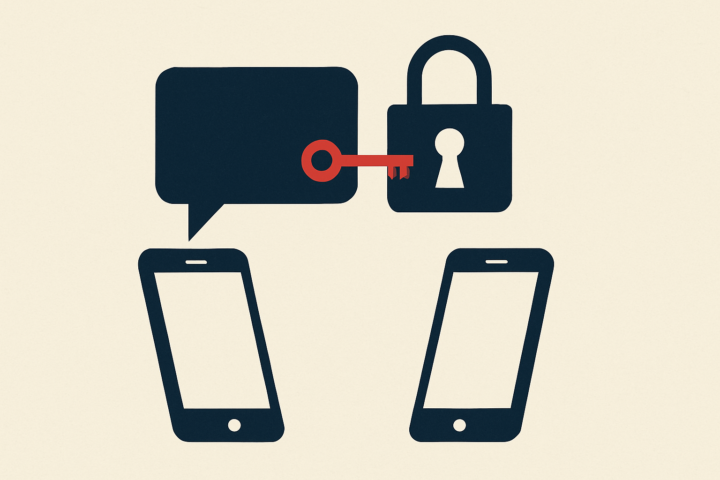
End-to-end encryption keeps the contents of your messages private in transit. It is powerful, and it is also narrower than many people assume.
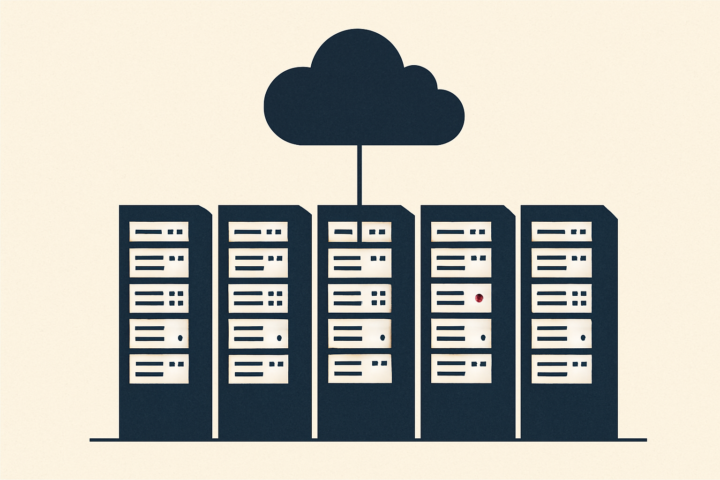
The cloud is not in the sky. It is rooms full of computers in buildings around the world, and someone else owns them.