World
What Is GDP per Capita?
GDP per capita is a country's gross domestic product divided by its population. Here is how it is calculated, what it shows, and where it falls short.

Margaret Ellison is the editor-in-chief of Tilias News. She leads the newsroom's coverage of world affairs and oversees editorial standards across every section, with a focus on clear, sourced reporting that respects the reader's time.
GDP per capita is a country's gross domestic product divided by its population. Here is how it is calculated, what it shows, and where it falls short.
A tariff is a tax on imported goods. Here is how tariffs work, why governments use them, and the debate over who actually bears the cost.

Diplomatic immunity is a principle of international law that shields diplomats from prosecution in a host state. Here is what the Vienna Convention actually says.

A referendum is a direct popular vote on a single question or proposal. Here is how referendums work, the types that exist, and what makes them binding.

El Niño is a periodic warming of the tropical Pacific that shifts rainfall and storm tracks worldwide. It is natural, irregular, and distinct from climate change.

A ceasefire suspends fighting. It does not end a war, settle what caused it, or bind anyone who did not sign it — distinctions that decide whether one holds.

When no party wins a majority, governing requires an agreement between several. How coalitions are negotiated, how they hold together, and how they fall apart.

Sanctions are restrictions imposed to change a government's behaviour without going to war. Who can impose them, and what the evidence says about whether they work.

The Security Council is the UN's most powerful body, where any one of five permanent members can block a major decision on its own with the veto.
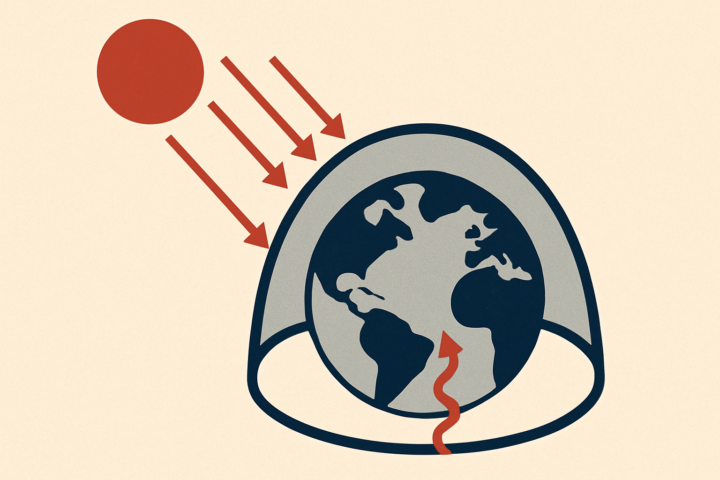
How a thin blanket of gases keeps Earth warm enough to live on — and why adding more of them is changing the climate.
These three words are often used interchangeably, but in international law they mean different things — and the difference affects people's protection.

Inside the photovoltaic effect: how a slab of treated silicon converts light into usable electric current, with no moving parts.